Sign up for our newsletter to get 10% off for the week!


Choosing a Plush Toy as a Newborn Gift
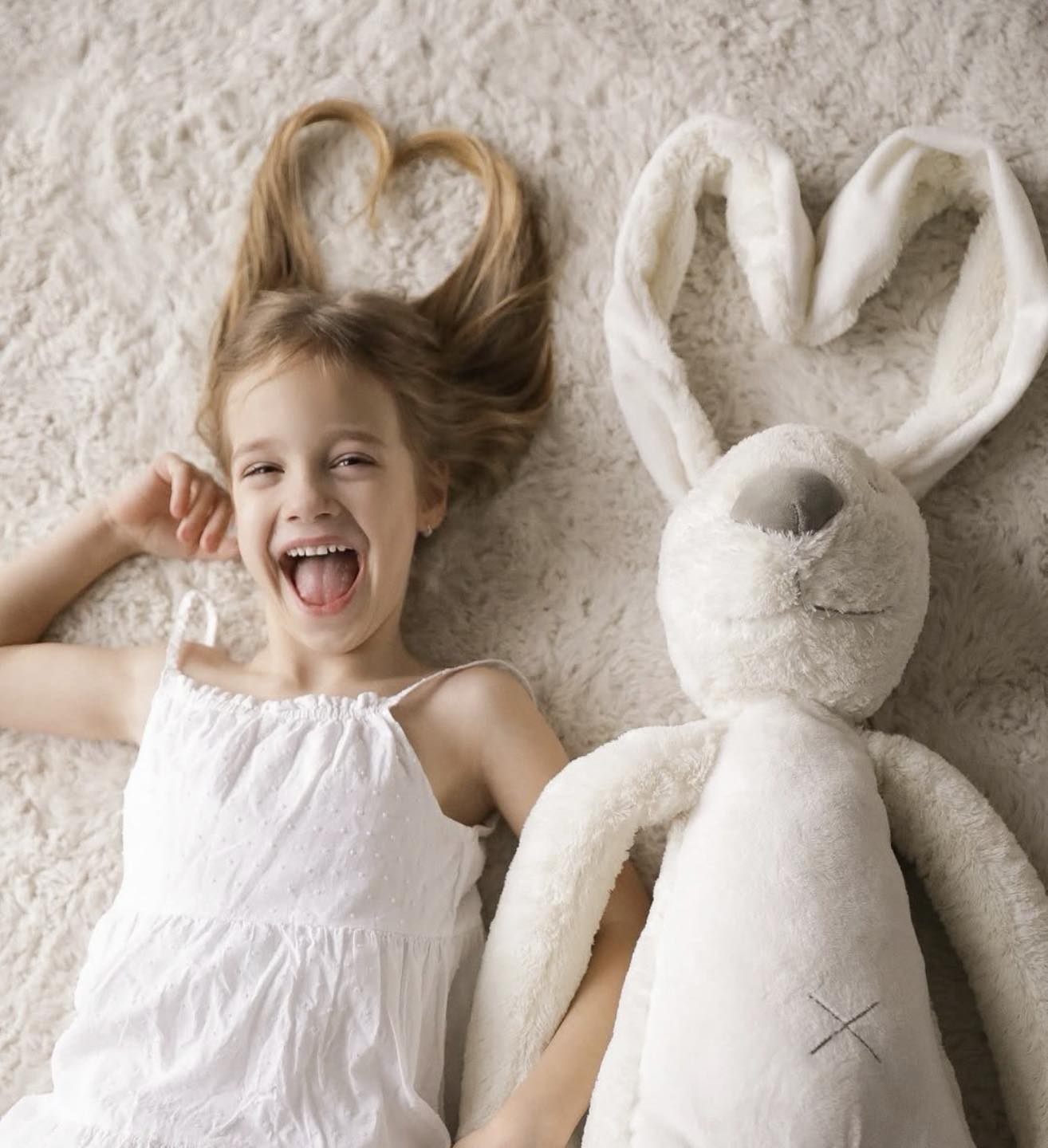
A plush toy can make a lovely newborn gift without being something the baby uses immediately. Start with the manufacturer’s age guidance, then choose a size and style the family would enjoy keeping or using when appropriate.
Start with the manufacturer’s age guidance
Not every soft toy is intended for a newborn. Read the age recommendation and warnings on the product page and packaging. If the guidance is missing or unclear, ask the seller before buying.
The CPSC recommends choosing toys that match a child’s age and abilities. Small parts are a particular concern for children younger than three, so appearance alone is never enough.
Use this five-point check
| Check | What to look for |
|---|---|
| Age guidance | A clear manufacturer age recommendation and warnings |
| Construction | Closed seams, contained stuffing, and firmly secured details |
| Size | Exact listed height and width rather than relying on photos |
| Care | Specific washing and drying instructions |
| Use | Supervised, age-appropriate interaction and storage outside the sleep space |
Check every seam and attachment
Look at the eyes, nose, ribbons, clothing, tags, and other decorations. Embroidered features reduce the number of separate attachments, but the stitching still needs inspection. Look for gaps where stuffing could escape.
Inspect the toy again after washing and before use. Stop using it if a seam opens, stuffing becomes exposed, or any attachment loosens.
Use the listed dimensions
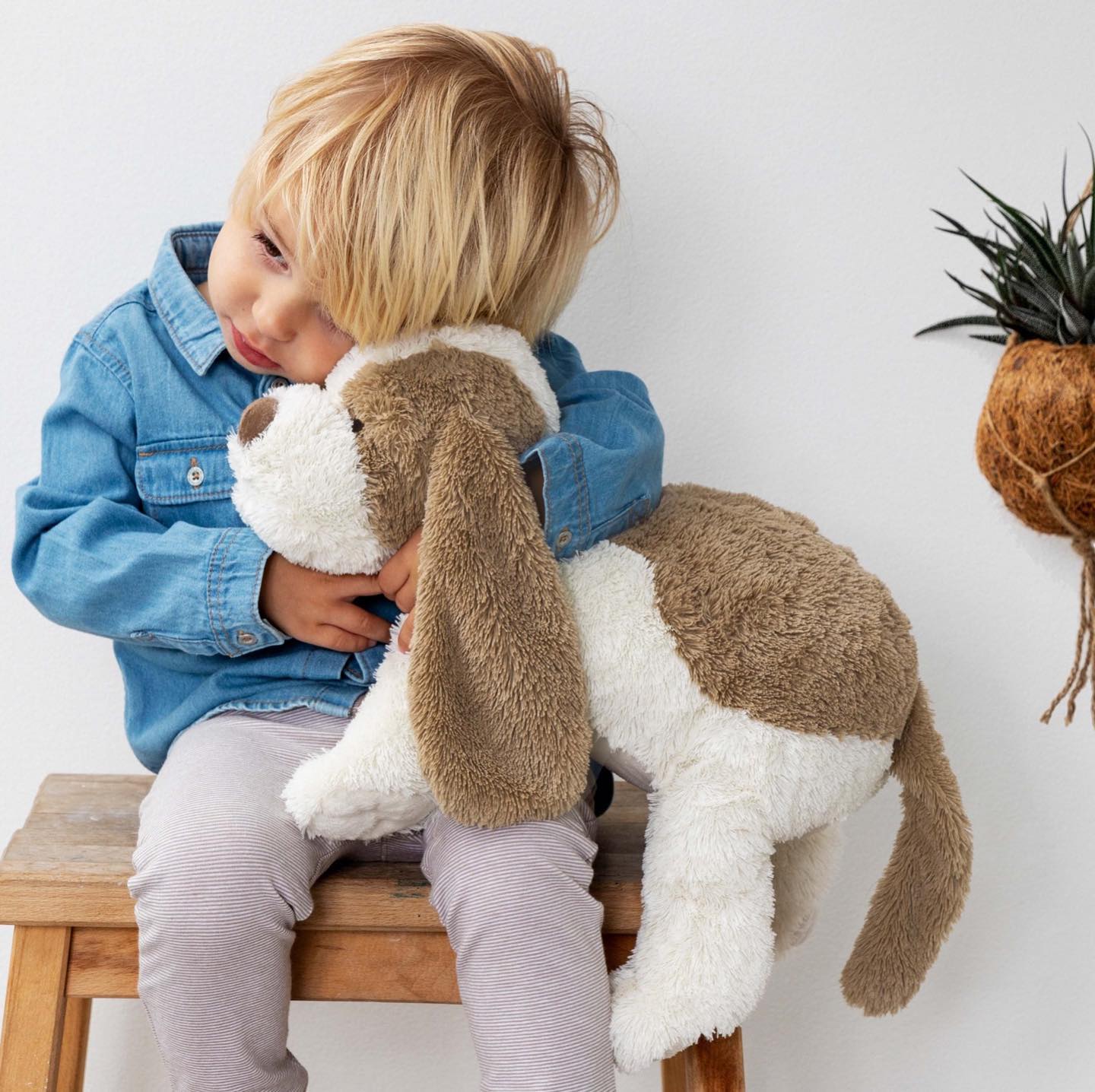
Product photography can make a plush toy look larger or smaller than it is. Check the measurements in the specifications. A compact toy may fit a newborn gift basket, while a larger character may be more appropriate as nursery décor or for supervised play later.
You can compare listed sizes in our baby plush toy collection. Products in the same category can still have different construction and age guidance.
Read the material and care information
Check the outer fabric, filling and care directions for the exact toy. If it is machine washable, follow the specified cycle and drying method. Surface-clean-only toys need a different approach.
Broad phrases such as “hypoallergenic,” “non-toxic,” or “baby-safe” should be supported by documentation for that specific item. Clear material and care details are more useful than general promises.
Keep plush toys out of infant sleep spaces
A newborn should not sleep with a stuffed toy. The U.S. Consumer Product Safety Commission recommends keeping toys and other soft objects out of an infant sleep space. A plush toy can be a keepsake or used for age-appropriate supervised interaction, but it should not be placed in a crib, bassinet, or play yard while the baby sleeps.