Sign up for our newsletter to get 10% off for the week!



Why Plush Toys Help Baby Development: A Practical Checklist
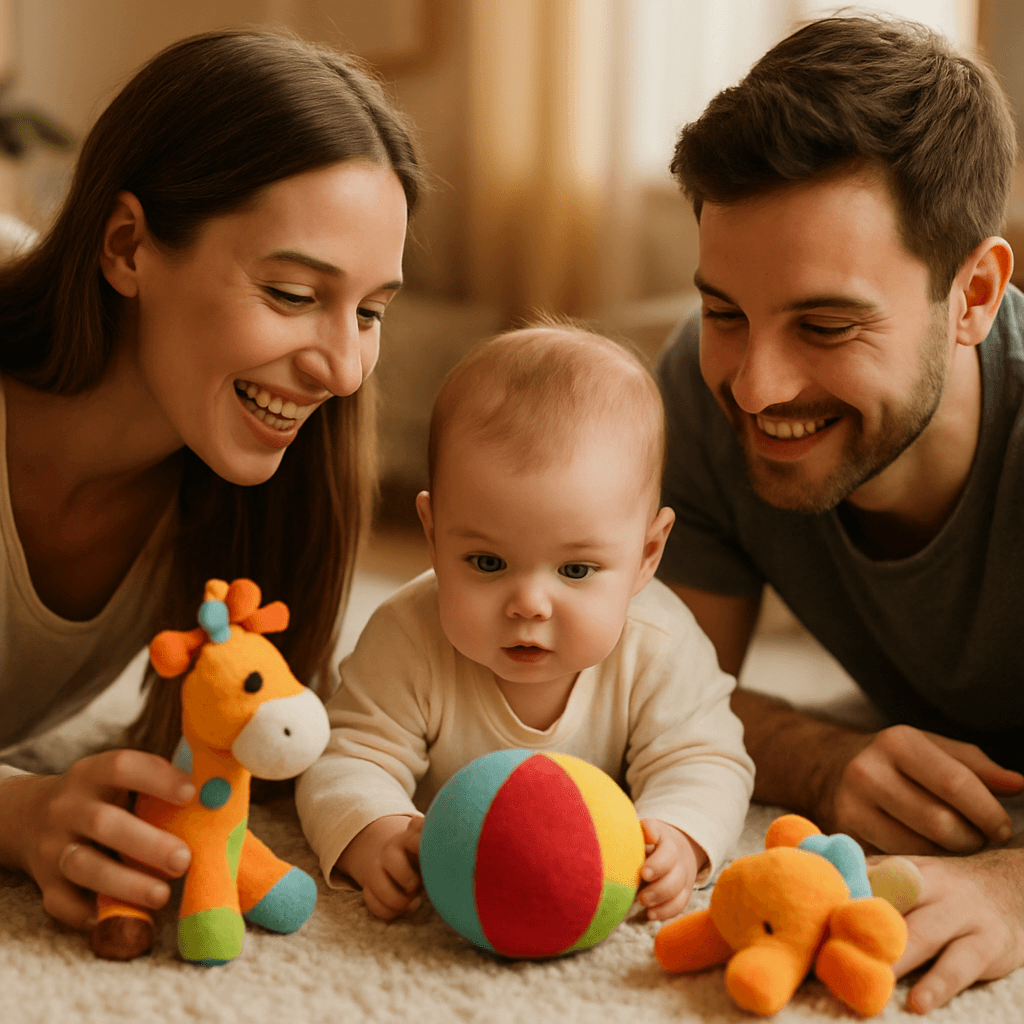
Why Plush Toys Help Baby Development: A Practical Checklist
Quick answer: Plush toys support baby development by offering sensory, cognitive, emotional, and social benefits through interactive, gentle play that encourages exploration and learning.
Quick comparison
| Development Benefit | How Plush Toys Help | Age Range |
|---|---|---|
| Sensory Stimulation | Soft textures and varied fabrics encourage tactile play. | 0-12 months |
| Cognitive Engagement | Interactive details boost problem-solving and memory skills. | 6-24 months |
| Emotional Comfort | Provides soothing companionship during stressful times. | 0-36 months |
| Social Interaction | Fosters caregiver bonding and early communication. | 0-24 months |
Why Plush Toys Help Baby Development: A Practical Checklist
Plush toys are more than cuddly companions; they are valuable tools in supporting your baby’s development. This guide provides a practical checklist for understanding how these soft play items contribute to various aspects of growth.
This article is designed for millennial parents seeking clear, step-by-step advice. The focus is on tangible benefits and smart product choices to help you incorporate plush toys into your baby’s routine with confidence.
Checklist: How Plush Toys Support Development
🧸 Top Picks from CloudyBébé


1. Sensory Stimulation
Plush toys offer a range of textures that intrigue a baby’s sense of touch. Their soft fabrics, vibrant colors, and varied materials stimulate tactile exploration. This sensory experience is key for neural development and early learning.
2. Cognitive Engagement
Interacting with plush toys helps enhance brain function and memory. Babies learn to explore details such as shapes and contrasts, which aids in cognitive development. These playful experiences build the foundation for problem-solving and curiosity.
3. Emotional Comfort
A soft, cuddly toy can become an emotional anchor for your baby. Plush toys provide a sense of security during moments of distress or when transitioning to sleep. This comforting presence supports emotional regulation and self-soothing techniques.
4. Social Interaction
Using plush toys during playtime creates opportunities for social engagement. They act as conversation starters during caregiver-baby interactions, facilitating language and social cues. This shared experience nurtures empathy and bonding with family members.
5. Motor Skills & Coordination
The act of grasping and manipulating a plush toy improves fine motor skills. Babies learn to coordinate hand movements, which is critical during their early developmental stages. This physical interaction also promotes overall coordination and dexterity.
6. Imaginative Play
Plush toys encourage imaginative and pretend play that enhances creative thinking. They serve as props in simple storytelling sessions between parents and babies. Such play builds early language skills and nurtures creativity through role-playing scenarios.
7. Multisensory Exploration
Many plush toys incorporate additional elements like crinkles or squeakers to stimulate the auditory senses. This multisensory experience allows your baby to integrate visual, tactile, and auditory inputs concurrently. It enhances convergence across different sensory channels, supporting overall developmental integration.
How to Choose the Right Plush Toys
When selecting plush toys for your baby, start by checking for non-toxic, hypoallergenic materials that are safe for all ages. Look for sturdy construction with securely attached features such as eyes, ears, or squeakers to avoid choking hazards.
Consider the toy’s size, ensuring it is easy for small hands to hold while remaining large enough to prevent accidental swallowing. Read labels and reviews for insights on durability and ease of cleaning, as these factors are essential for long-term use and safety.
Quick Tips for Integrating Plush Toys into Your Baby’s Routine
- Rotate toys frequently to keep playtime engaging and fresh.
- Provide supervision during play to encourage safe exploration.
- Include plush toys as part of bedtime routines for added comfort.
- Use them as tools for interactive storytelling and language building.
- Observe your baby’s responses and adjust toy choices as they grow.
FAQ
Are plush toys safe for newborns?
Yes, plush toys designed specifically for newborns can be very safe when chosen correctly. Ensure the toy is made from non-toxic materials, is hypoallergenic, and has no small detachable parts. Always check the manufacturer’s age recommendations and safety standards to minimize risks.
How do plush toys support baby development?
Plush toys support baby development by offering a multisensory experience. They provide sensory stimulation, promote cognitive engagement, and offer emotional comfort, all of which contribute to enhanced social and motor skill development. Their interactive nature encourages bonding and communication with caregivers.
Integrating plush toys into your baby’s play routine can be a simple yet effective way to support their developmental milestones. By making informed choices and staying aware of safety standards, you help ensure that playtime is both fun and beneficial.
Ready to shop smarter? Explore our curated baby essentials at CloudyBebe — parent-loved, baby-safe, and always soft.
For more adorable baby essentials, explore our
CloudyBebe shop.
For more general baby health and safety guidance, you can also refer to
official NHS baby advice
.