Sign up for our newsletter to get 10% off for the week!


Plush Toy Play Ideas and a Practical Buying Checklist
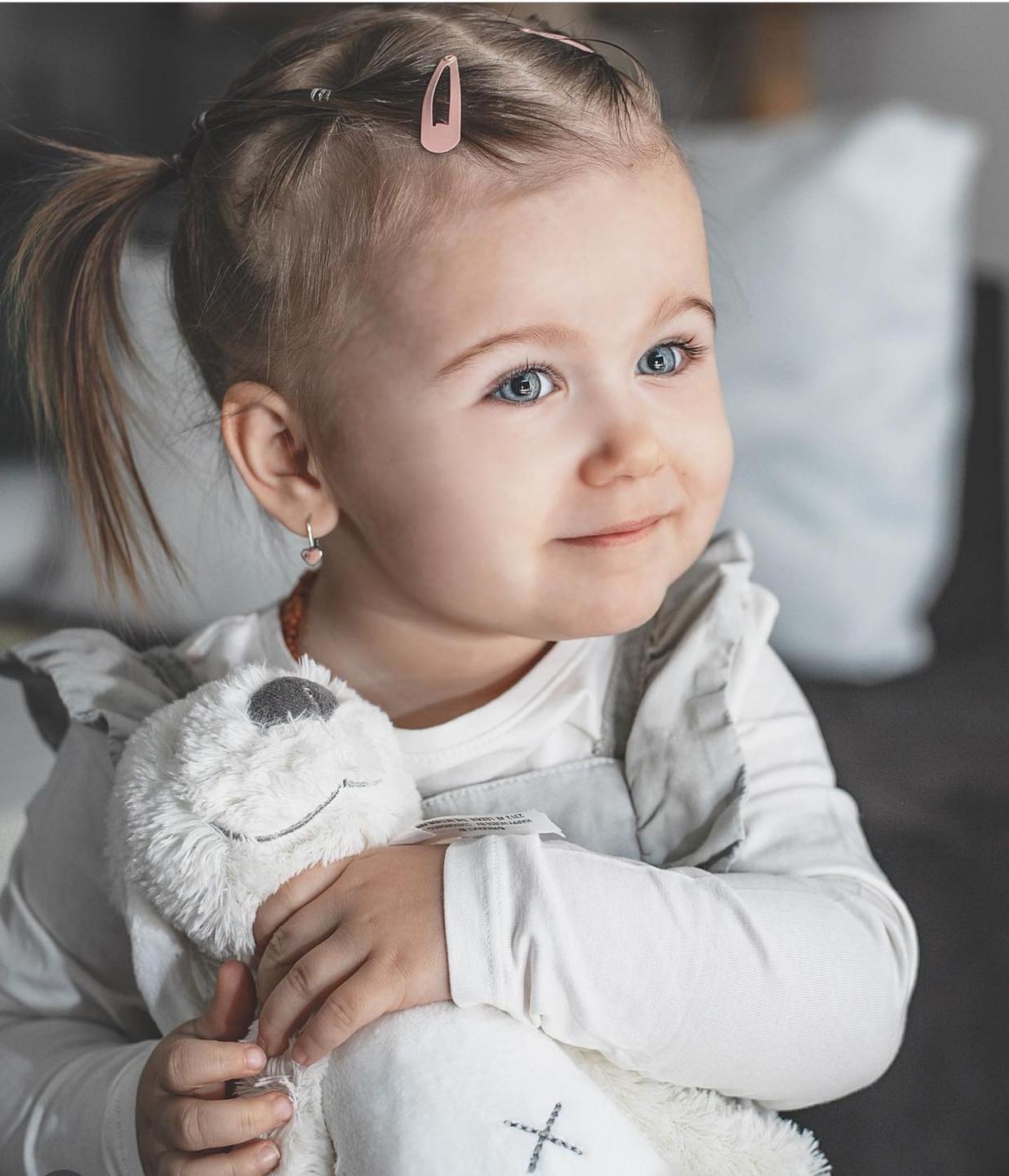
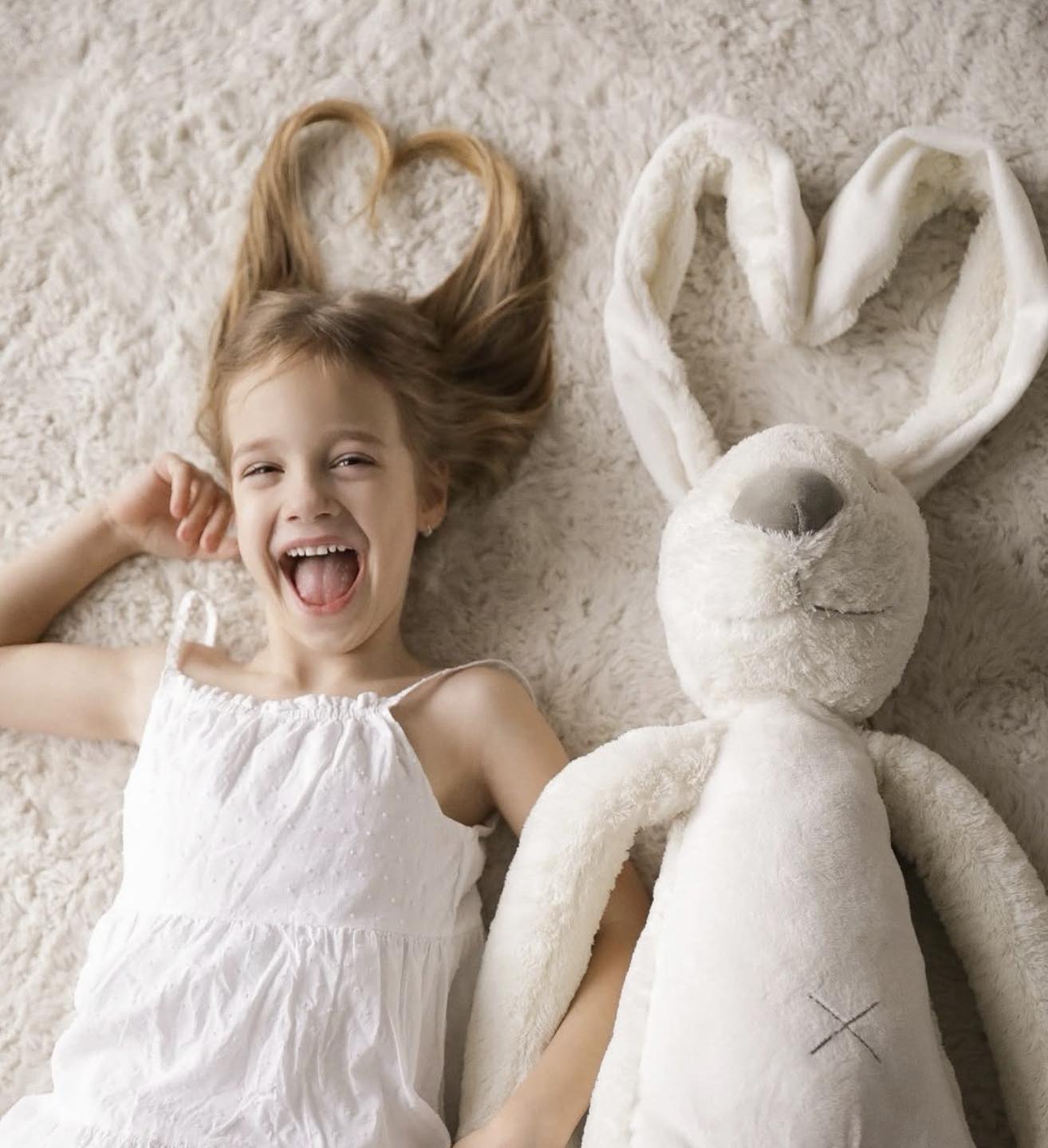
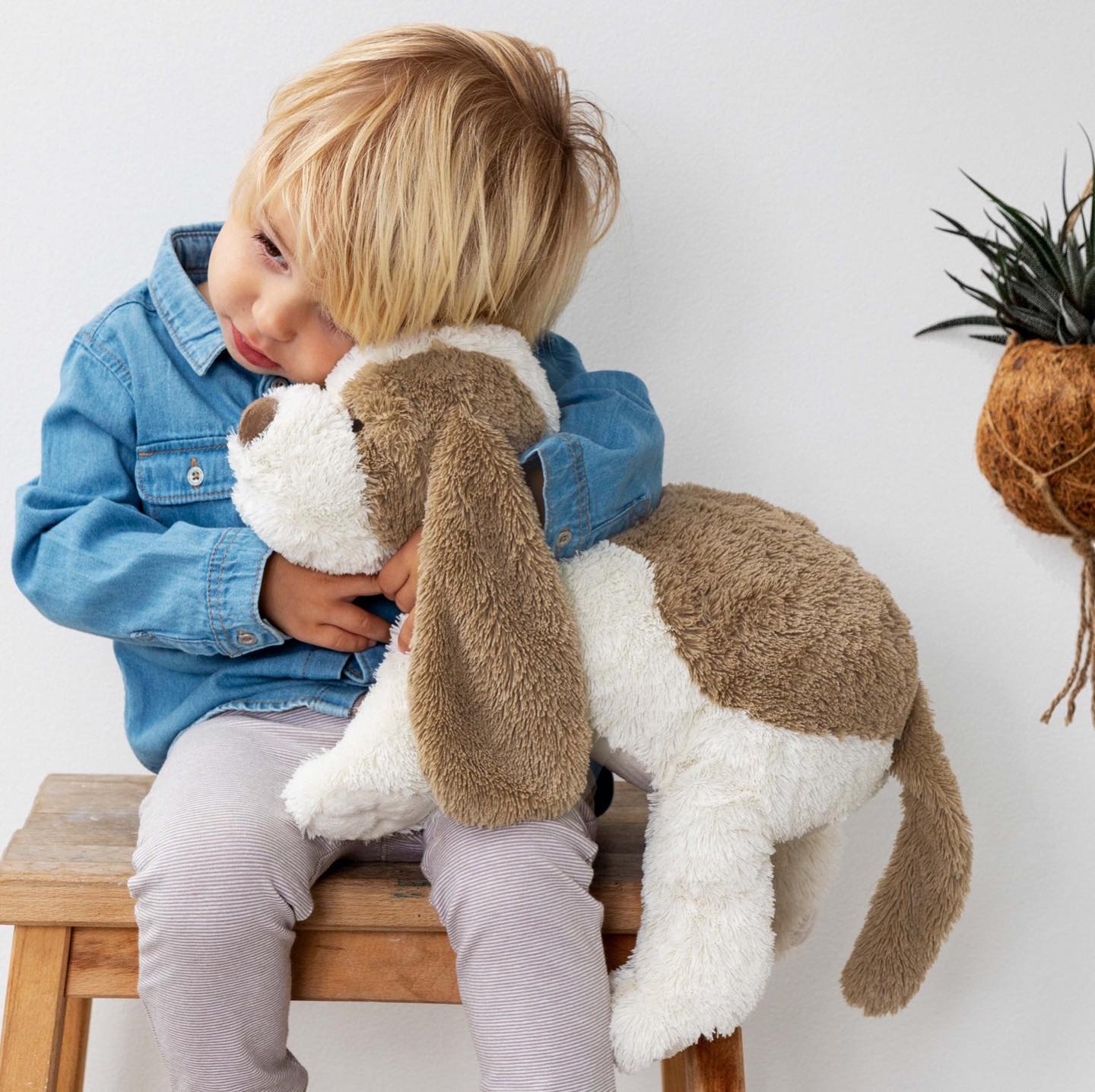
A plush toy gives you something simple to hold, point to and talk about during play together. Choose one that matches the manufacturer’s age guidance and your baby’s current abilities; a toy cannot promise a developmental milestone.
Simple ways to play together
| What you may observe | A simple caregiver response | Keep in mind |
|---|---|---|
| The baby looks toward the toy | Move it slowly within a comfortable viewing range | Follow the toy’s age guidance and the baby’s interest. |
| The baby reaches or grasps | Offer an age-appropriate size during supervised play | Choose an age-appropriate item and stay close. |
| The baby notices a texture or sound | Name what is happening and pause for a response | Pause when the baby turns away or seems uncomfortable. |
| An older baby joins a simple story | Name the character and repeat familiar words | Keep the exchange relaxed; there is no milestone to achieve. |
Observation comes first. If the baby turns away, becomes upset, or cannot use the toy as intended, stop and try again another time.
Check the exact age guidance
“Plush” is a product type, not an age recommendation. Read the manufacturer’s label and warnings. The CPSC toy-safety guidance recommends matching toys to a child’s age and abilities.
Inspect seams and attachments
Look closely at eyes, noses, clothing, ribbons, tags, and sound components. Embroidered details reduce the number of separate pieces, but seams and thread can still wear. Stop using the toy if stuffing becomes visible or an attachment loosens.
Use play that fits the baby now
Looking
Hold the toy and move it slowly. There is no need to keep a newborn engaged for a set number of minutes.
Reaching
Place an age-appropriate toy within reach while the baby is awake and supervised. Check that its size and weight suit the baby’s current abilities.
Talking together
Name the toy, describe one feature, or make up a short sound. The value is the back-and-forth with the caregiver, not a claim printed on the toy.
Keep plush toys out of infant sleep spaces
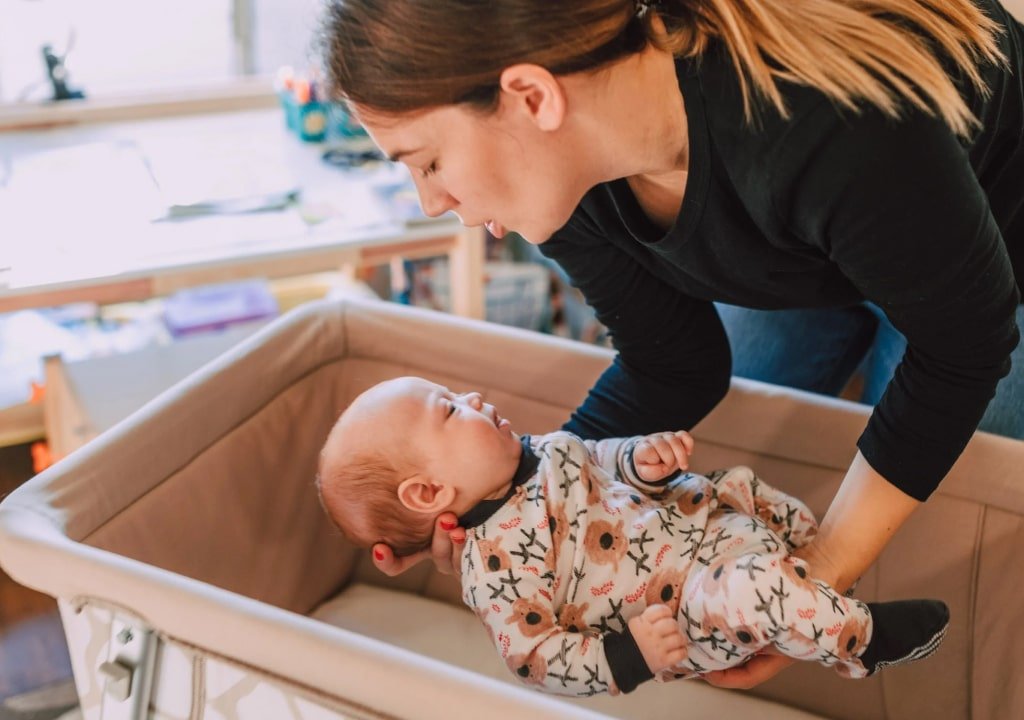
A cuddly appearance does not make a stuffed toy suitable for sleep. Keep it out of the crib, bassinet, and play yard while an infant sleeps. See the CPSC safe-sleep guidance.
Materials and cleaning
Read the fiber, filling, and care labels. Do not assume “hypoallergenic,” “non-toxic,” or “baby-safe” applies without product-specific support. If the item is surface-clean only, follow that instruction rather than putting it in a washing machine.
When a plush toy should be retired
- A seam opens or stuffing appears.
- An eye, ribbon, tag, or other detail loosens.
- The fabric or filling cannot be cleaned as directed.
- The toy has damage from chewing, heat, or washing.
- The maker issues a recall or new safety notice.
Continue the comparison
Use our newborn plush toy buying guide for a five-point product check. For texture, contrast, and sound features, see the sensory toy guide. Product-specific details are listed in the baby plush toy collection when supplied by the maker.